There are two fights unfolding at Accor simultaneously, and investors who focus on only one of them will miss the point. The first is a governance dispute. The second is a question about whether one of Europe’s largest hotel groups just made the shrewdest capital allocation decision of the decade.
The Business
Ennismore operates nearly 200 hotels and more than 800 restaurants and bars across 40 countries, covering brands including The Hoxton, Mondrian, Mama Shelter and SLS. It is not a side project. Ennismore accounts for roughly 5% of Accor’s room portfolio, around 20% of the group’s recurring EBITDA, and approximately 40% of group EBITDA growth over the last three years. When Bazin calls it a crown jewel, the numbers back him up.
Accor agreed on November 17, 2026 to buy out the minority shareholders in its lifestyle hotel business for about €1.6 billion, with the deal valuing Ennismore’s equity at around €3.7 billion. Accor will buy the stakes in three tranches: 25.4% of Ennismore by the end of January 2027, 6.3% by July 2027, and 12.6% by January 2028. Accor said it would fund the acquisitions by accelerating its non-strategic asset disposal program for at least €500 million, alongside an additional credit facility and an option for partial payment in Accor shares.
Why Wall Street Is Paying Attention
Then came the activist.
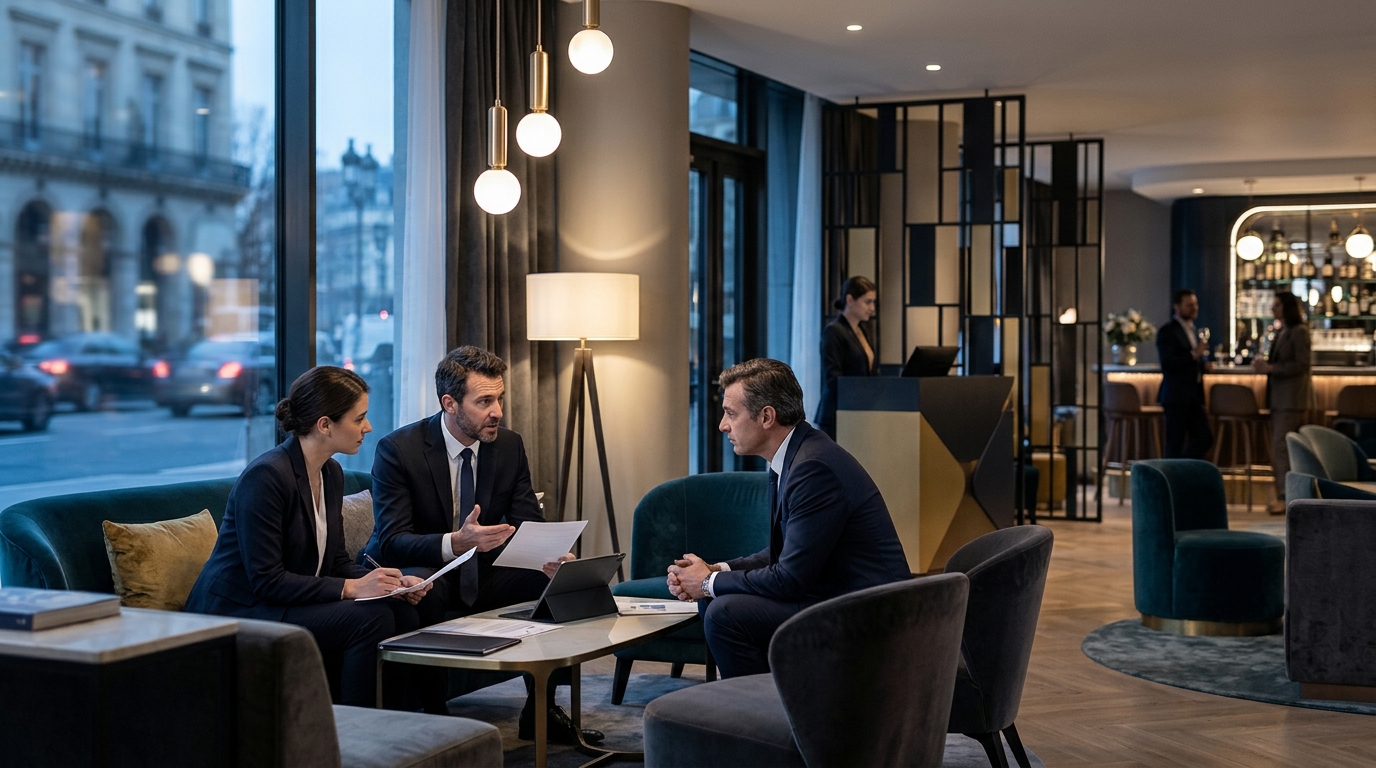
Parvus Asset Management is pressing Accor CEO and chairman Sébastien Bazin to step down, just as the French hotel group lines up the deal. Parvus, a London-based activist investor, has built a roughly 15% stake in Accor and has urged the board to move on from Bazin, who has led the company since 2013. Parvus warned it would hold the board accountable at the next AGM if no action is taken, according to the Financial Times.
Parvus argues that Accor’s decision to spend €1.6 billion to take full control of London-based Ennismore is too significant to be made by a leadership team preparing to leave. Bazin has said he will step down by May 2028, and told the last annual general meeting that the search for his successor is under way. Parvus wants that transition to happen before, not after, the Ennismore deal is consummated.
Accor shares fell 3.12% on Thursday, November 19, 2026, closing at €48.73, down from a previous close of €50.30. The stock is already down roughly 9% in 2026, a year that began with Grizzly Research publishing a short-seller report that briefly sent shares to multi-year lows before an internal review found no wrongdoing.
What’s Driving the Opportunity
Strip away the noise and what remains is a structurally interesting situation. Ennismore generated €205 million in EBITDA in 2025, putting the deal at roughly 18 times on Accor’s 2027 projection. That is not cheap. But the buyout is the largest amount a hotel group has paid for a lifestyle brand company to date. Scale commands a premium.
Accor said it continues to explore options for Ennismore, including the entry of strategic partners or a public listing. Full ownership simplifies the path to either outcome. A future IPO or minority sale at a higher valuation would retroactively justify the price paid today. Seventeen analysts carry an average buy rating on the stock, with a 12-month consensus target of about €55.
The Parvus campaign, counterintuitively, could also serve as a catalyst. Activist pressure rarely destroys value at operationally sound businesses. It tends to accelerate governance changes that management was already making slowly. Bazin has acknowledged his tenure ends by May 2028. Parvus is essentially arguing for a faster clock.
What Could Go Wrong
The deal overhang is real. If Parvus escalates toward a contested AGM, uncertainty around both leadership succession and Ennismore’s ownership structure could weigh on the stock for months. Capital allocated to the buyout reduces Accor’s flexibility should travel demand soften. Accor values the transaction at an enterprise value-to-EBITDA multiple of approximately 18 times for 2027, meaning any earnings disappointment from Ennismore makes the price look worse in hindsight.
There is also the question of execution. Accor is absorbing a creative, founder-led culture into a large corporate structure at precisely the moment its own leadership is in flux.
The Bottom Line
Accor is not a clean buy. It is a situation where the upside depends on which of two forces wins: the strategic logic of full Ennismore ownership, or the governance friction of a protracted CEO battle. The stock trading near €48 against a consensus target above €55 suggests the market is pricing in meaningful uncertainty. Investors who believe Parvus accelerates rather than derails the transition, and that Ennismore’s growth justifies 18 times earnings, have a reasonable case for owning AC.PA here. Those who think a drawn-out succession fight freezes capital decisions for the next 18 months should wait for clarity. The Ennismore deal is the right strategic move. Whether the right team will be in place to execute it is the only question that matters now.