At some point, a company stops being a pharma story and starts being a macro story. Eli Lilly may have crossed that line.
Q1 2026 results came in and blew past expectations — again. Worldwide revenue hit $19.8 billion, up 56% year-over-year. Mounjaro, Lilly’s GLP-1 therapy for type 2 diabetes, generated $8.66 billion in the quarter — a 125% increase over the same period last year, clearing the FactSet consensus estimate by a wide margin. Zepbound, the same tirzepatide molecule approved for obesity, added $4.1 billion in U.S. sales alone, up 79%.
Management raised full-year 2026 revenue guidance to $82–$85 billion — a $2 billion increase from prior guidance — and lifted adjusted EPS projections to $35.50–$37.00 per share. The CEO put it plainly: the company expects the number of GLP-1 patients it serves to rise from roughly 20 million at the end of last year to 30 million by end of 2026.
What matters is the breadth of this franchise. Zepbound now holds nearly 70% of new prescriptions in the branded obesity market. Mounjaro is the market leader in new prescriptions among incretin analogs for type 2 diabetes in both the U.S. and internationally. Revenue outside the U.S. surged 81%, driven by a 95% increase in volume — with China’s addition of Mounjaro to its National Reimbursement Drug List adding meaningful volume, even as pricing there compressed.
There’s a newer catalyst that didn’t show up in Q1 numbers at all. Foundayo — Lilly’s newly approved oral GLP-1 pill for obesity — launched in Q2, meaning its contribution is still ahead of us. An oral formulation removes one of the biggest adoption barriers for these drugs. That’s not a minor product extension. It’s a potential step-change in the addressable market.
The global GLP-1 market is projected to exceed $150 billion in annual revenue within the next decade. Lilly and Novo Nordisk remain the two dominant players, but Lilly has steadily taken market share since launching Zepbound, with stronger clinical efficacy data driving patient switching. Beyond the GLP-1 franchise, Lilly’s pipeline spans Alzheimer’s, oncology, and immunology — with key products in those areas growing 160% year-over-year in Q1.
Risks That Deserve Honest Attention
- U.S. drug pricing pressure is real — lower realized prices partially offset volume gains in Q1
- Novo Nordisk is not standing still; competing pipeline assets remain a credible threat
- The stock trades at a premium — valuation leaves less room for execution misses
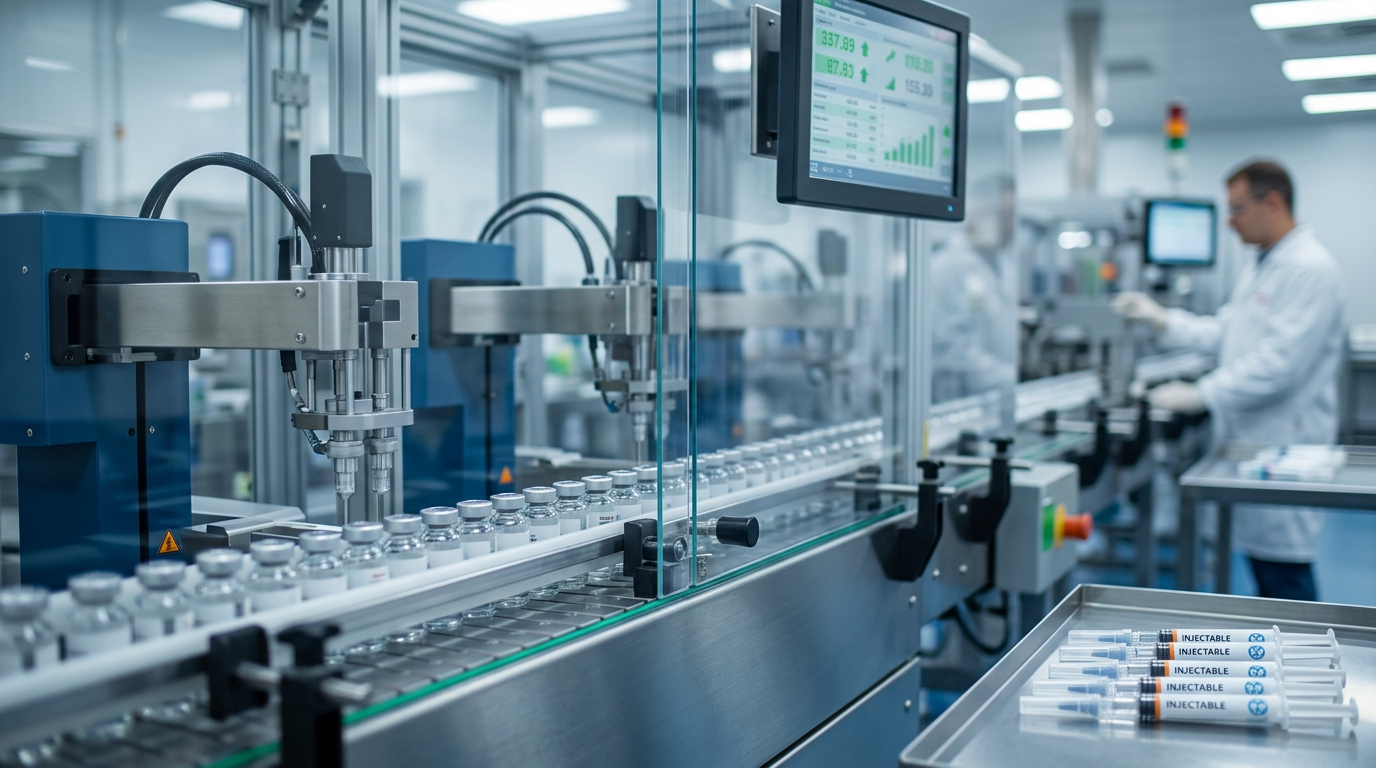
The part of this story that often gets glossed over: Lilly isn’t just selling drugs. It’s building infrastructure — manufacturing capacity, savings programs, lower-cost vial doses — to sustain adoption at scale. That’s a company that understands its own growth ceiling and is actively pushing it higher.
LLY remains one of the most heavily weighted pharma names in global investor portfolios heading into the second half of 2026. The question isn’t whether the growth is real — the numbers answer that. The question is how much of it the market has already priced in, and whether the next few quarters can keep surprising to the upside.
Worth watching closely as Q2 results approach.